
Stop Mold Before It Takes Over Your Home
Whole-home and supplemental dehumidification solutions for coastal homes in Bar Harbor and throughout Hancock County.
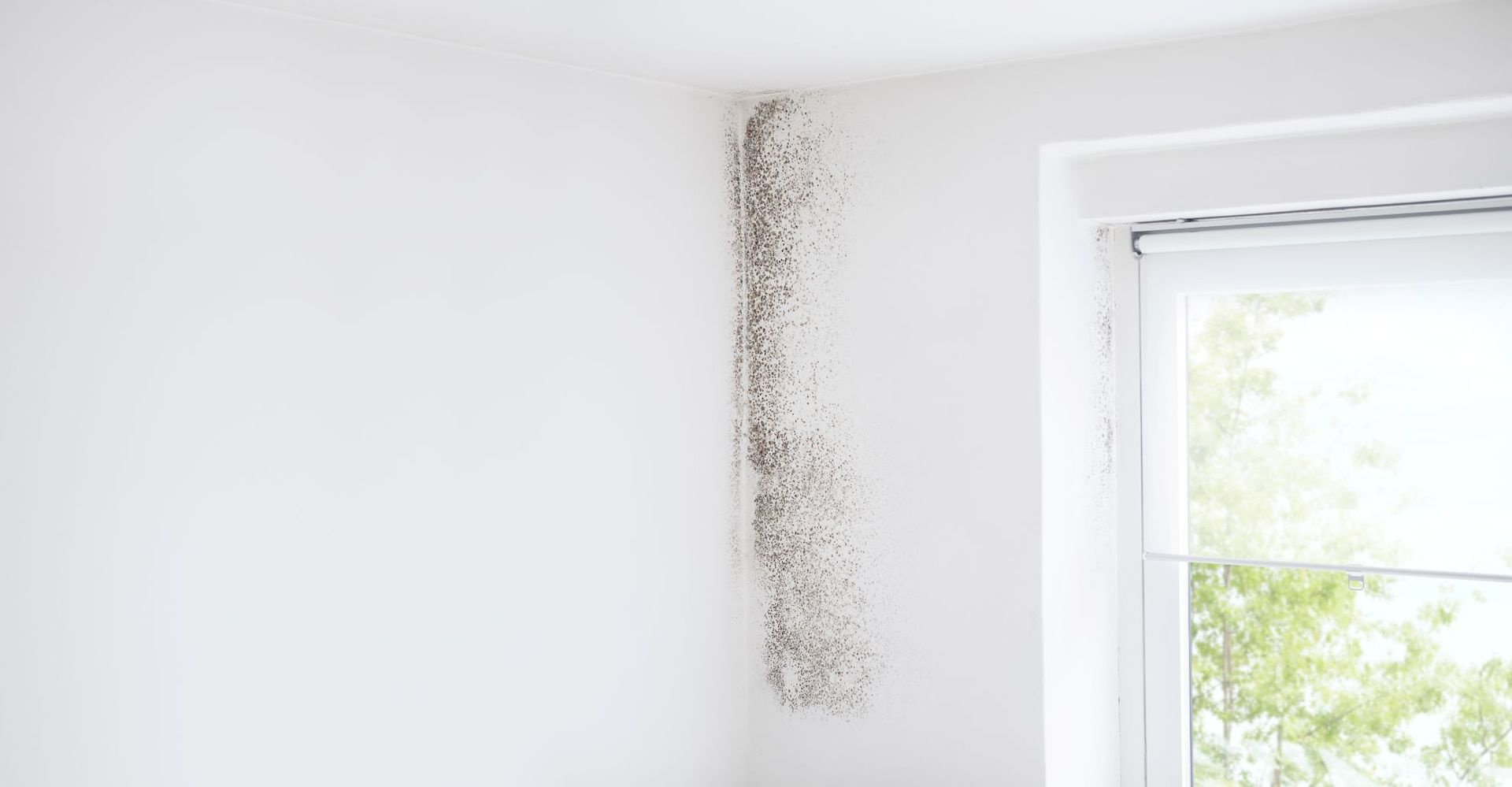
If you live near the coast in Bar Harbor or throughout Hancock County, you have likely noticed how quickly moisture settles into your home during summer months when fog rolls in and humidity stays high for days at a time. Condensation forms on windows, closets smell damp, and mold starts growing inside heat pump units, on basement walls, and behind furniture that sits against exterior walls. Seasonal homes that sit unused for weeks or months are even more vulnerable because there is no airflow to keep moisture from building up in closed spaces.
Brian's Electric & Heat Pumps provides whole-home and supplemental dehumidification solutions designed to work alongside your existing heat pump system. These systems pull moisture out of indoor air before it condenses on surfaces or gets pulled into your heat pump's evaporator coil, where it promotes mold growth and reduces efficiency. The result is drier air, fewer musty odors, and better protection for your home's structure and mechanical systems. Dehumidification also improves indoor air quality during humid summer months by reducing airborne mold spores and preventing the damp conditions that dust mites and other allergens thrive in. Integrated solutions are designed to work with your heat pump without creating airflow conflicts or overloading your electrical panel.
Contact Brian's Electric & Heat Pumps in Bar Harbor and throughout Hancock County to discuss dehumidification options for your home or seasonal property.
How Moisture Control Works in Coastal Homes
Dehumidification systems work by pulling indoor air over a cold coil that condenses moisture into a collection pan, then releasing the dried air back into your home in Bar Harbor and throughout Hancock County. Whole-home systems are installed alongside your heat pump or HVAC system, while supplemental units are placed in basements, crawl spaces, or seasonal rooms where moisture tends to accumulate. The collected water is drained outside through a hose or routed into a sump pump, so you do not have to empty buckets manually.
After installation, you will notice that windows stop fogging up during humid days, and the air inside your home feels less heavy and sticky. Closets and storage areas no longer smell musty, and your heat pump's indoor unit stays cleaner longer because it is not pulling in moisture-laden air that promotes mold growth on the coil and blower wheel. During summer, the dehumidifier reduces the cooling load on your heat pump by lowering indoor humidity, which makes the space feel cooler at the same temperature setting.
The system runs automatically based on a humidity setpoint you control, and most units include a humidistat that shuts the system off when indoor humidity drops below your target level. Seasonal homes benefit from continuous operation during vacant periods because it prevents mold growth and structural damage caused by prolonged moisture exposure. The system does not replace your heat pump's cooling function, but it works alongside it to maintain comfortable humidity levels without overcooling your home just to remove moisture from the air.
Some Things You Probably Want to Know
Most homeowners want to understand whether dehumidification is necessary, how much it costs to run, and whether it will actually prevent mold in a coastal environment.
If moisture is a constant problem in your Bar Harbor home or anywhere in Hancock County, Brian's Electric & Heat Pumps can assess your indoor humidity levels and recommend a dehumidification system that fits your space and integrates with your existing heat pump setup.